
Trip Summary: Palau 2025
A brief recap of our adventures in Palau December 2025. Photos by Brittany Ilardi and Ark Adventurers
2/26/20267 min read
about palau
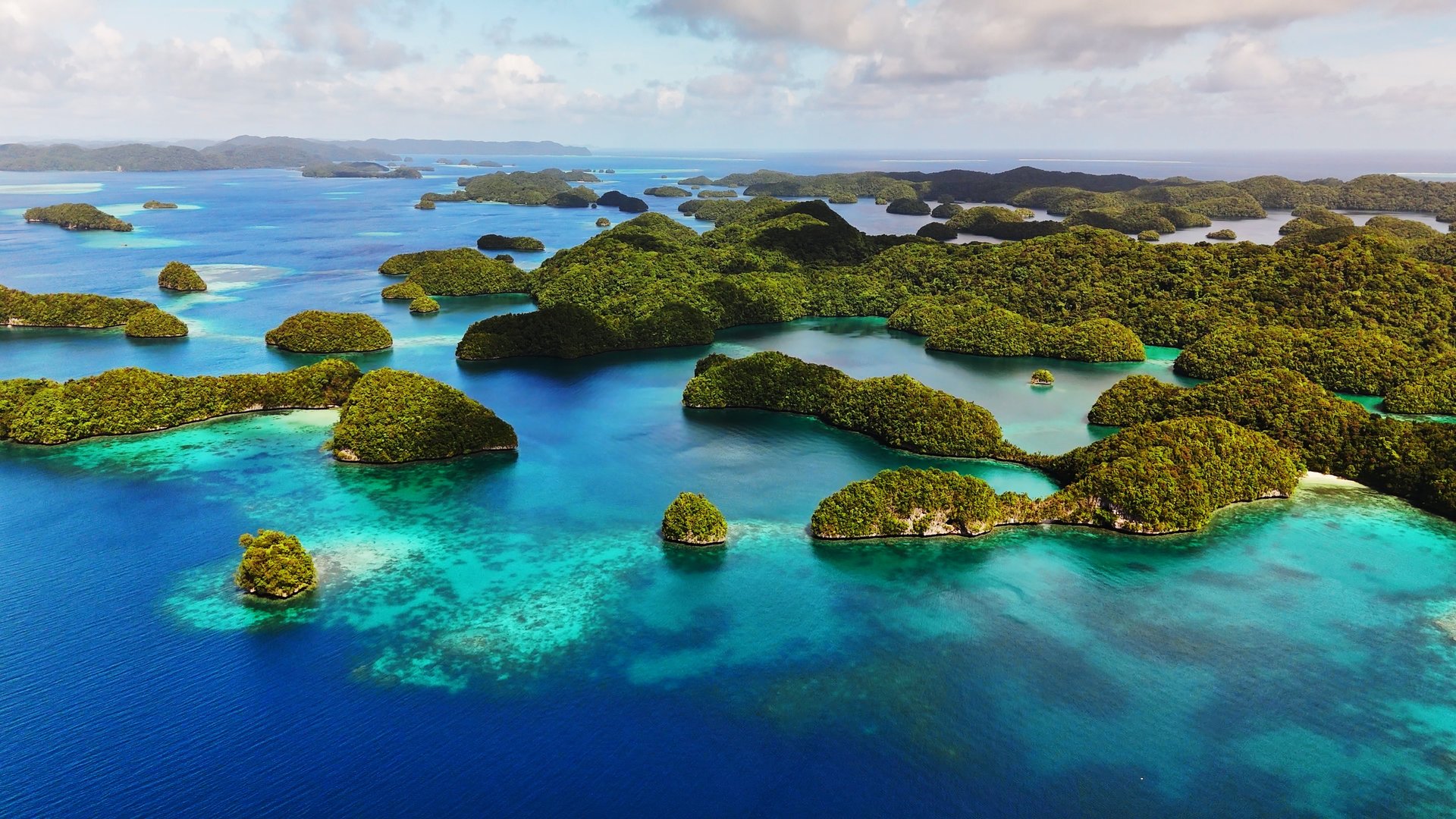
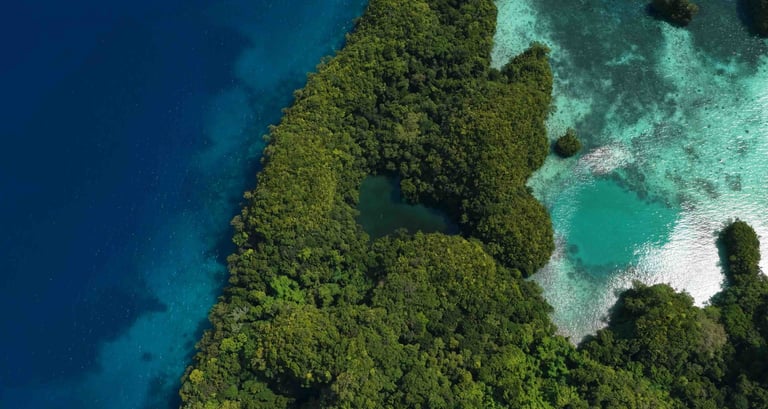
Palau is located in the western Pacific, southeast of the Philippines. It’s a small nation with a big reputation in the diving community, known for crystalline visibility, epic underwater scapes, ripping currents, and a thriving marine ecosystem bursting with life.
We flew in from Taipei on China Airlines flight CI28, a direct 3.5-hour hop that feels almost too easy for somewhere this remote. Arrival into Roman Tmetuchl International Airport was seamless. At immigration, we signed the Palau Pledge, a formal promise to act in an environmentally responsible way while on the island, stamped directly into our passports. Palau is the first country in the world to require an eco-pledge on arrival. (Read more about it here.)
We visited from late November to early December and had mostly blue skies, glassy mornings, and occasional short, light tropical showers, which meant we were spotting rainbows almost every day!
what we came for
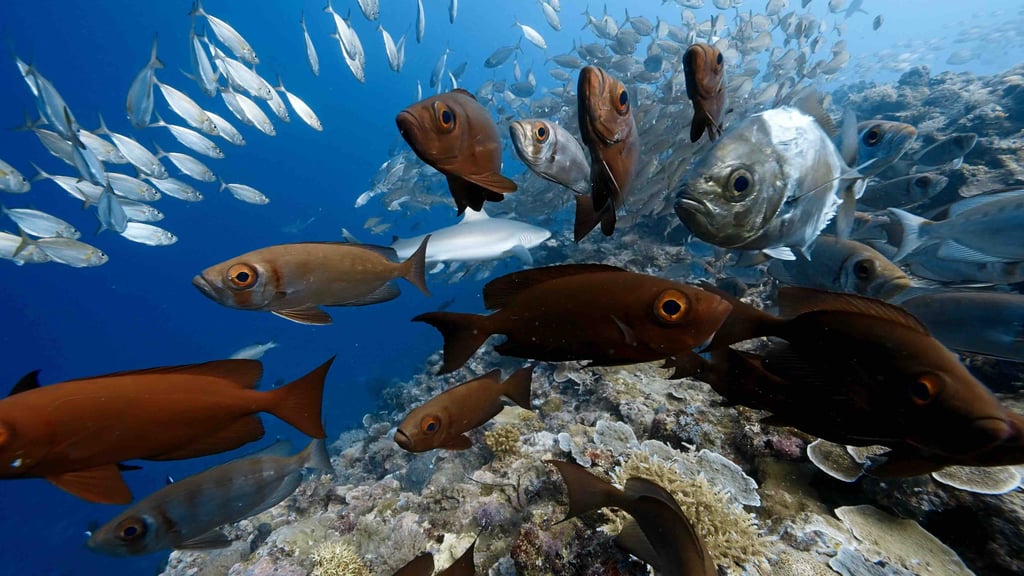
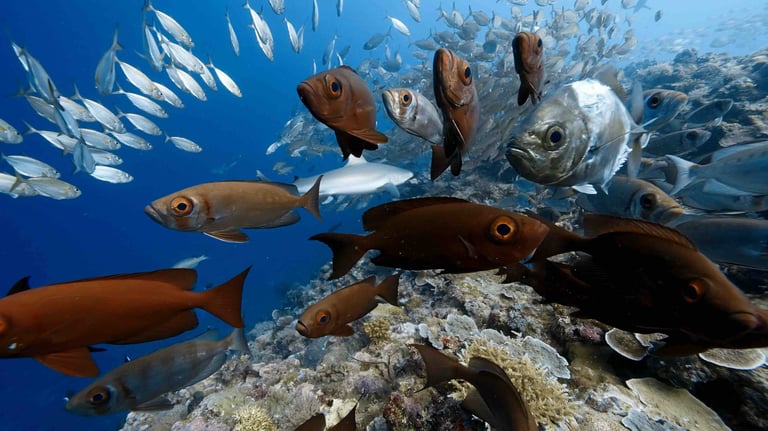
Red Snapper Mass Spawning Aggregation
Diverse Underwater Landscape
Rich Marine Biodiversity
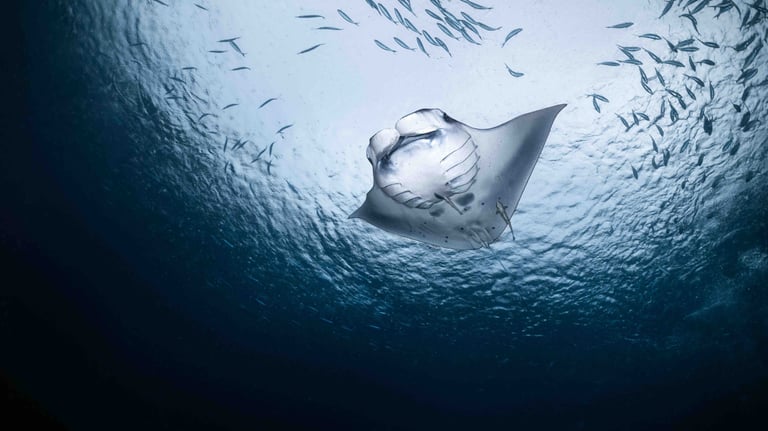
Mantas!!
Historical WW2 Wrecks
Accommodation
Palau Pacific Resort
verdict
Would we visit again?
what we came for
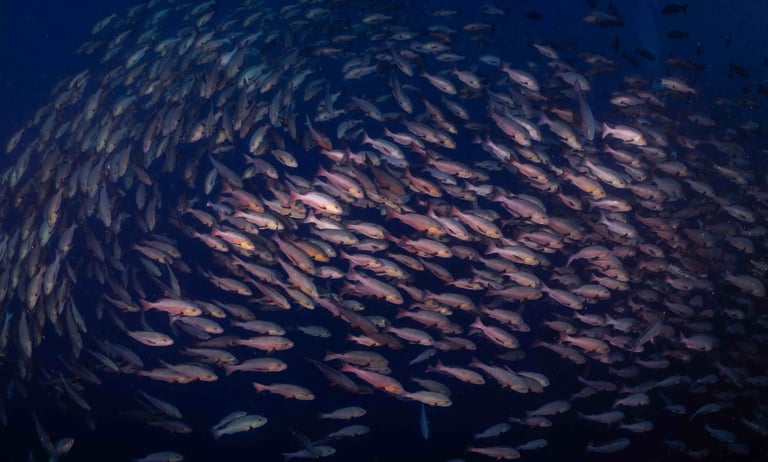
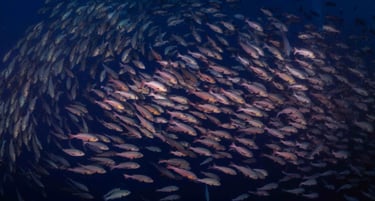
Two-Spot Red Snapper Mass Spawning Event
Two years after witnessing the bumphead parrotfish aggregation, we returned to Palau for another full moon phenomenon, the two-spot red snapper mass spawning at Shark City. For a few days each month, thousands gather along the outer reef slope, forming dense, swirling vortices before surging upward in bursts to spawn in the blue. It was raw, chaotic, and mesmerising. But as extraordinary as it was to witness, the experience also left us questioning the cost of being there. Read about it here.
Diverse underwater landscape
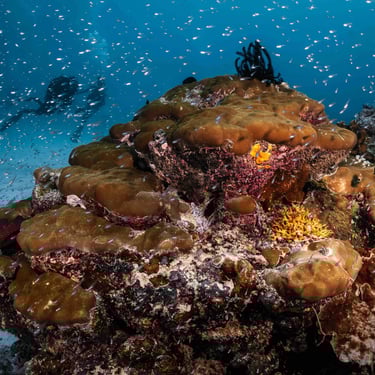
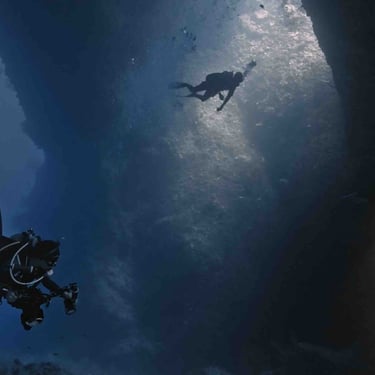
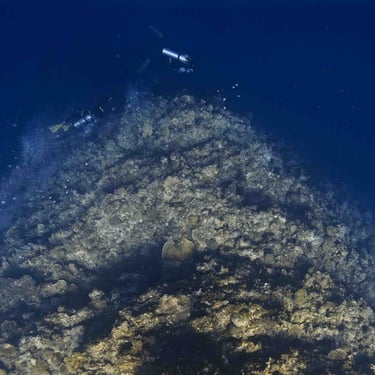
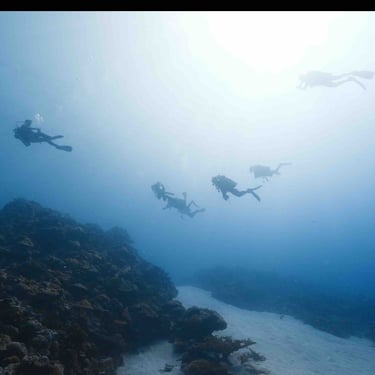
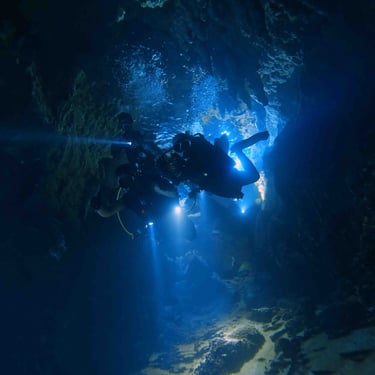
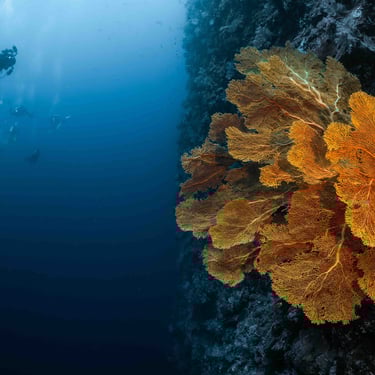
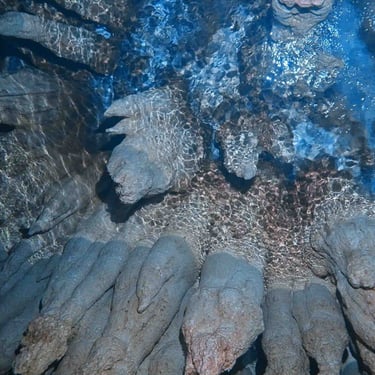
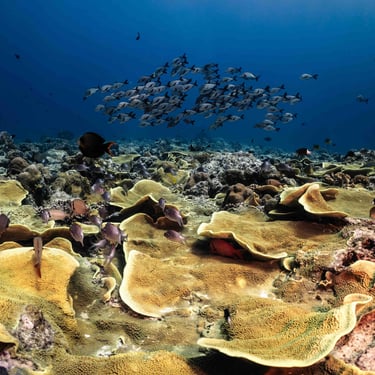
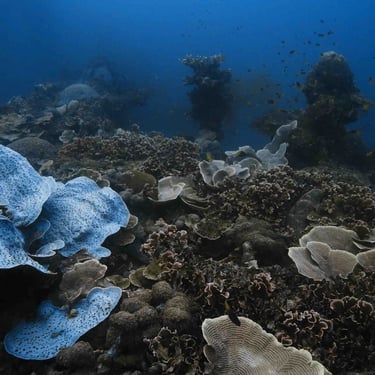
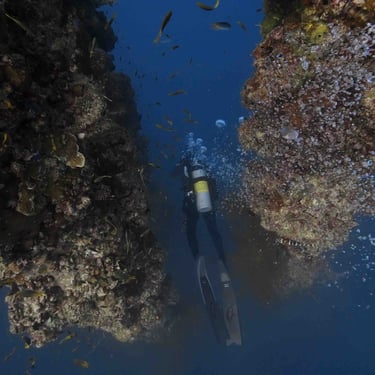
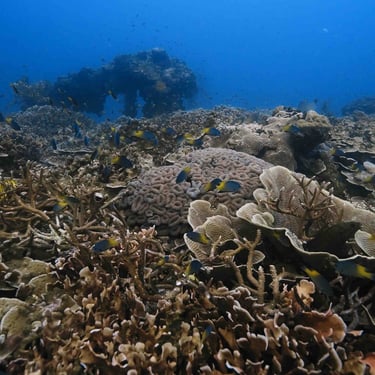
One of the things we love most about Palau is how dramatically the underwater landscape shifts from dive to dive. In a single day of three dives, we explored steep reef walls, gradual slopes, sweeping channels and even caverns. With the crystal clear visibility, the views always felt epic. Monolithic reef walls seemed to stretch on forever, light filtered through holes in caves in soft, ethereal folds, and shoals of reef fish danced as far as the eye could see. Each scape brought its own mood and conditions. Some dives were easy and unhurried with barely any current at all. On others, we cruised along in a gentle flow. And sometimes, we dropped into strong current that left us wide eyed, alert and completely exhilarated. Every dive promised a different kind of adventure.
Rich Marine Biodiversity
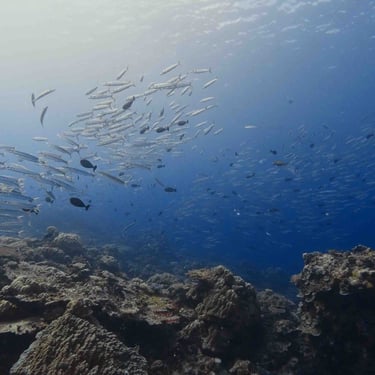
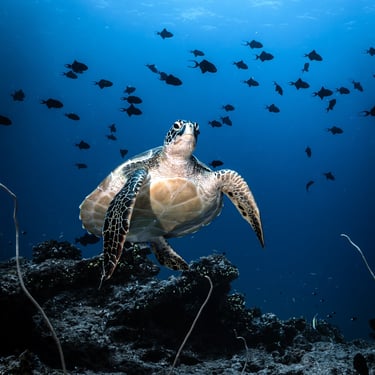
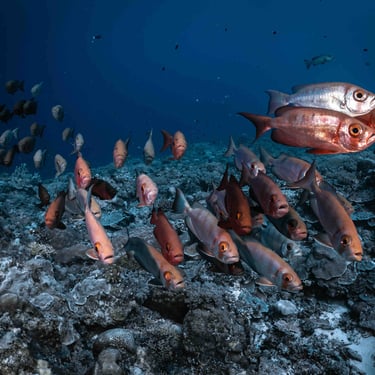
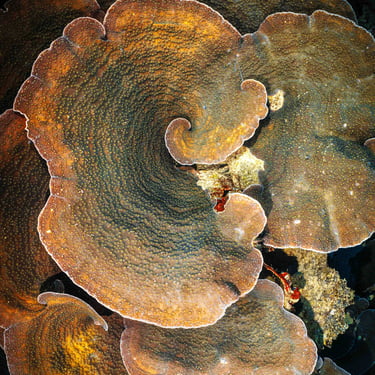
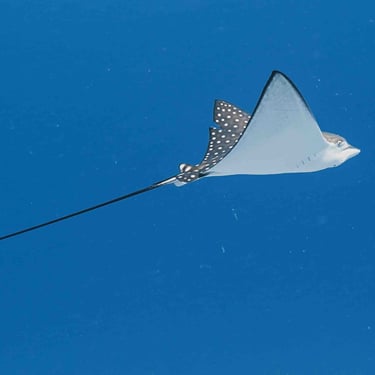
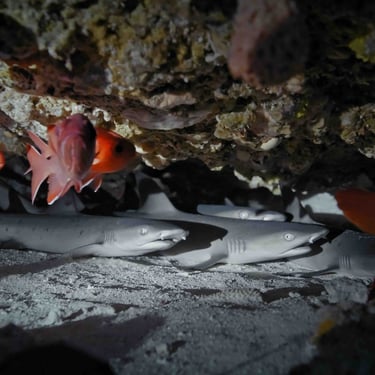
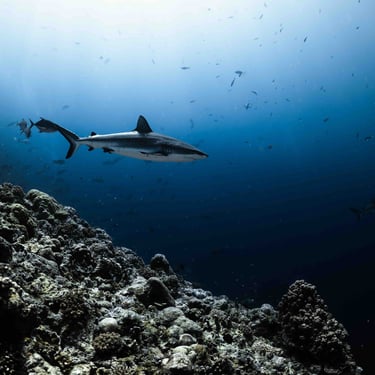
The Palau National Marine Sanctuary (PNMS), created in 2015, is one of the largest fully protected marine areas in the world. It covers 80% of the country’s waters in a no-take zone, which meant that the wildlife we saw on our dives generally didn’t seem fazed by us at all. Shoals of jackfish, barracudas, and crescent-tailed bigeyes moved through the water like they owned it, while eagle rays, manta rays, turtles, and grey reef sharks went about their business with either mild curiosity about these noisy, bubble-making humans, or complete indifference. Naturally, this created some incredible photo and video moments for us.
Mantas!!
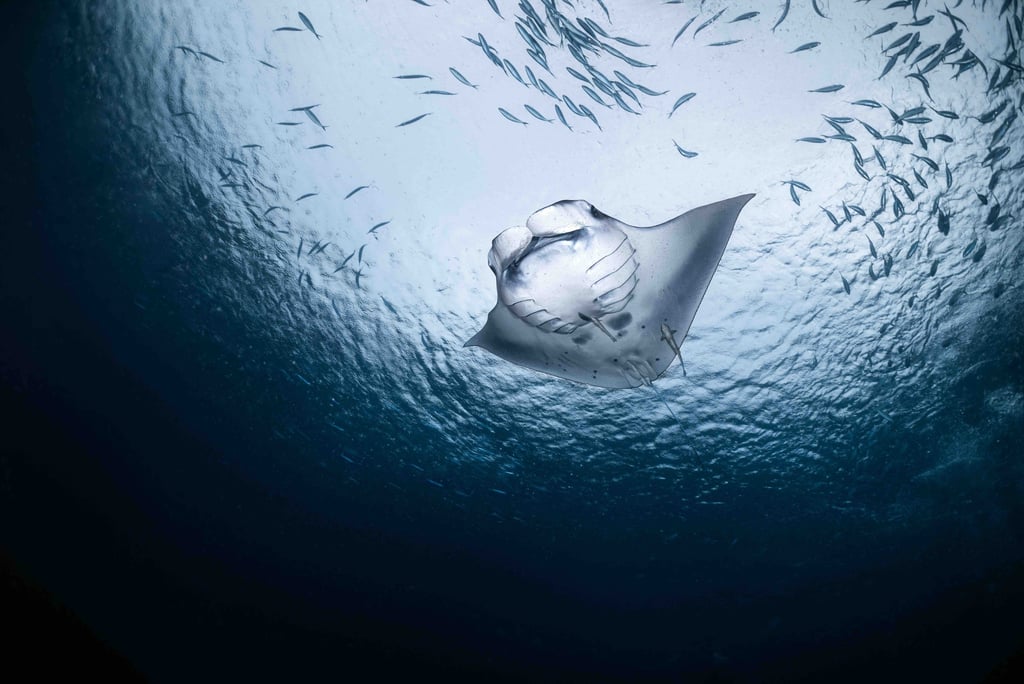
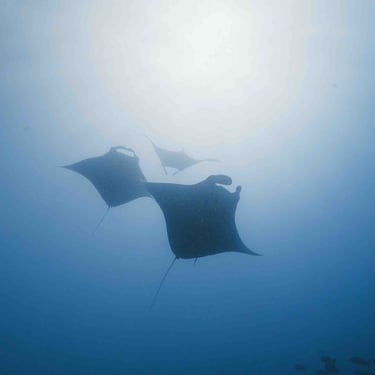
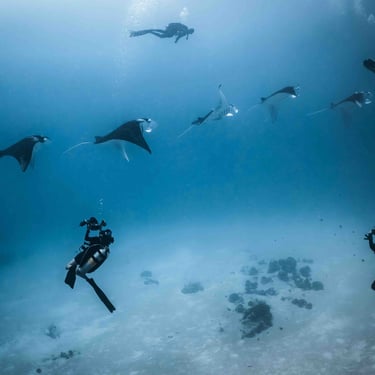
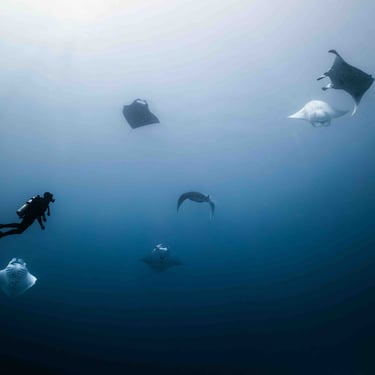
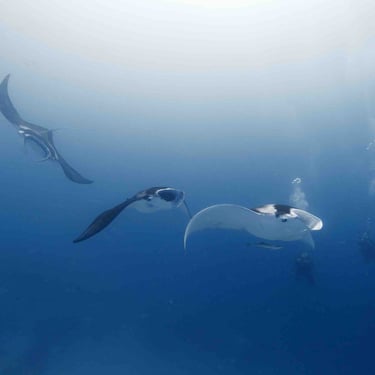
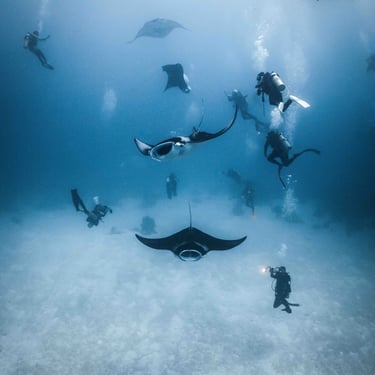
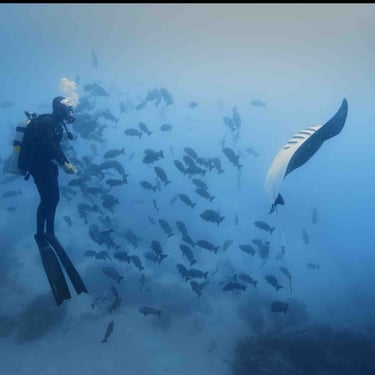
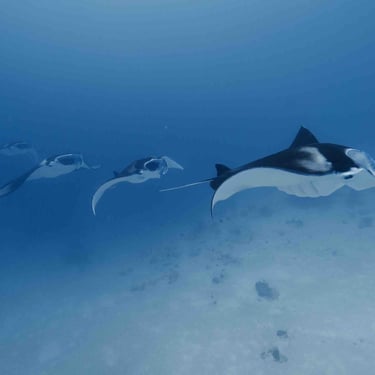
Although some online sources note that an increase in plankton from May to October usually attracts pelagic species, we seemed to have hit a rare jackpot with a plankton bloom during our December visit. Visibility at the famed German Channel was lower than at other sites, the water thick with plankton and microorganisms. We encountered shoals of midnight snappers that gaped and feasted on the plankton before the mantas arrived.
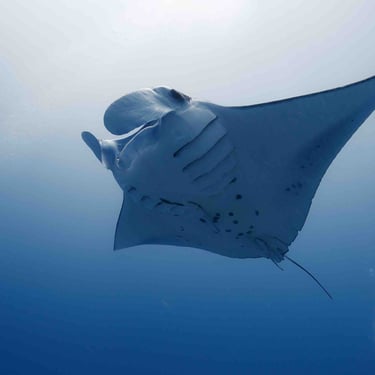
We had only expected to encounter these giants at their usual cleaning stations, but on two dives at German Channel, we found them in mid-water, a short distance from their typical haunts. They were barrel feeding, completely unbothered by our presence, using their cephalic lobes to direct plankton-rich water into their open mouths. Groups of four or five swooped among us, and at one point, we counted as many as a dozen. Needless to say, we surfaced babbling like madmen, completely elated at our incredible manta luck!
Historical WW2 Wrecks
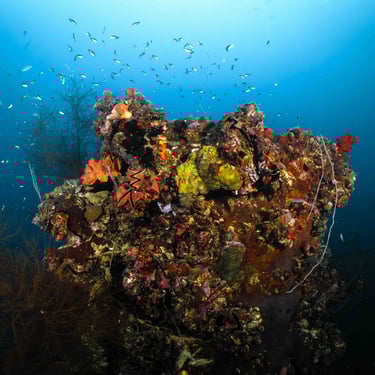
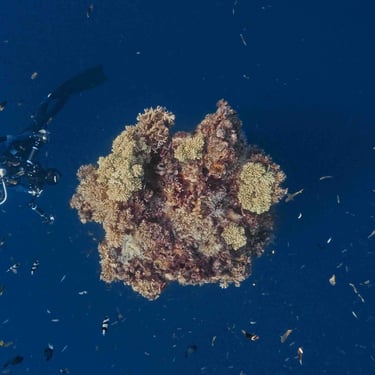
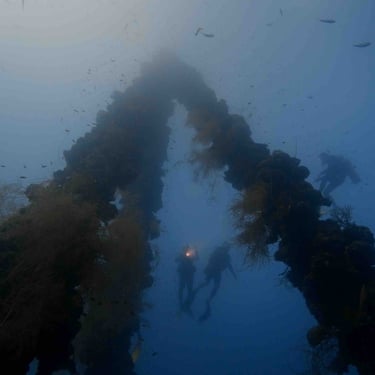
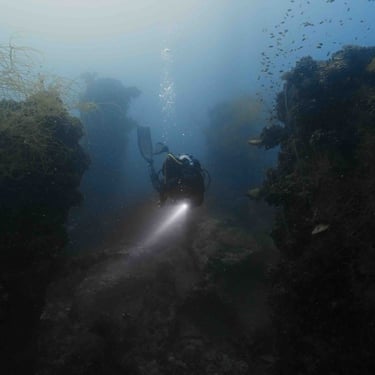
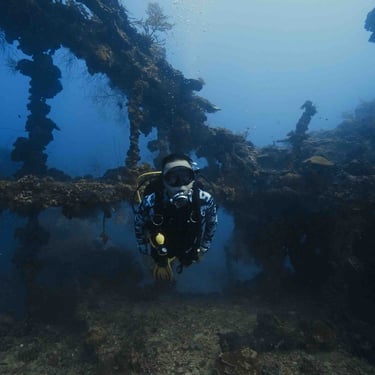
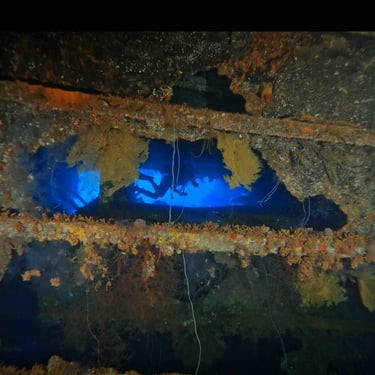
Our first visit to Palau in 2023 had already introduced us to the hauntingly beautiful wrecks scattered across these waters, so revisiting them felt like stepping back into a sunken museum. Most of these ships were Japanese vessels sunk by American forces in 1944, and over eight decades underwater have allowed coral to completely reclaim them. Swimming around them, it’s easy to get lost in the layers of history and marine life: twisted metal corridors are now home to schools of fusiliers, lionfish, clams and anemones, while beams of sunlight slice through gaping hulls, creating an otherworldly, cinematic scene. Some wrecks still bear the shapes of their original machinery and we even found items like glass bottles and coiled wires. Our favorite was Iro Wreck, due to it's massive size, swim throughs, towering masts and dense coral cover.
an unexpected surprise
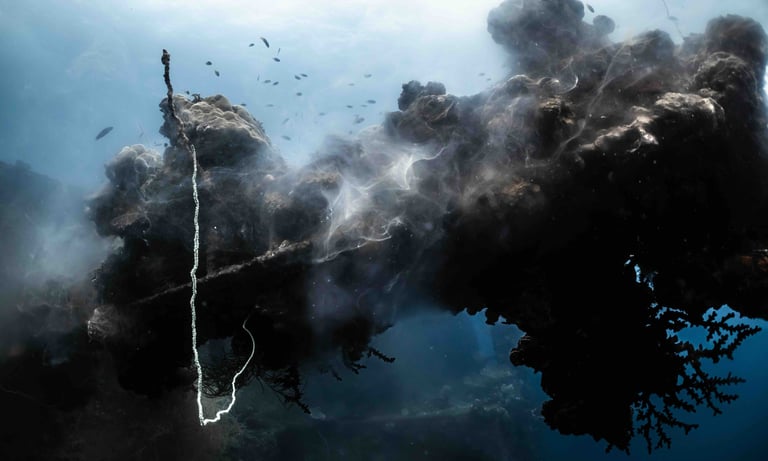
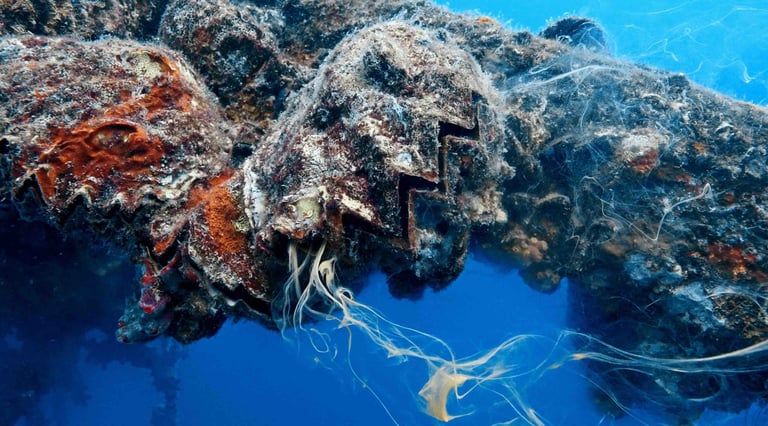
Spawning Giant Honeycomb Oysters
The dive at Tesho Wreck was mostly uneventful at first. Our group was scattered across the massive ship, each of us absorbed in our own explorations. Occasionally we bumped into one another, exchanged a few quick hand signals, then drifted off again in different directions.
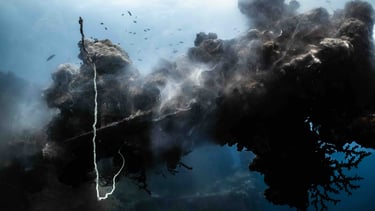
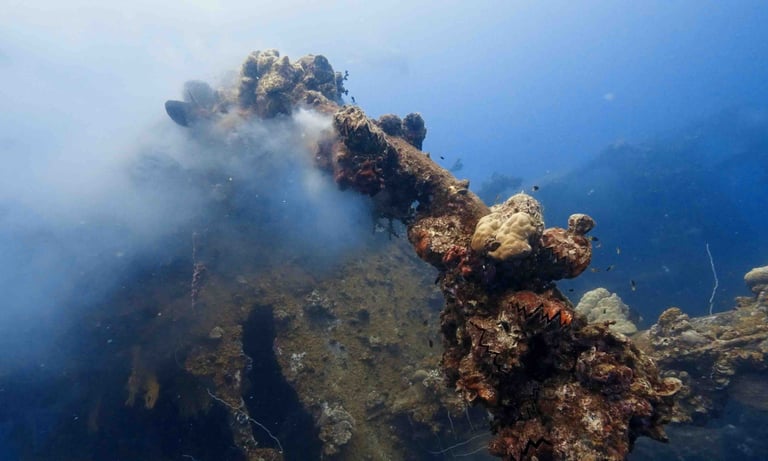
It was only towards the end of the dive that the magic unfolded. Most of the group had already moved shallower for their safety stop, but a few of us lingered. Thankfully we did, because a fine, inexplicable mist began drifting into view. We followed the trail and realised the cloudy substance was coming from the giant honeycomb oysters encrusting the wreck.
At first, only a few released spawn. Then, one by one, white smoke began pouring out of oyster after oyster, like chimneys coming to life. Within moments, the entire wreck was hazy with it. And just as suddenly as it began, it ended. The oysters returned to complete stillness, as if nothing had happened, leaving only a faint mist suspended in the water as proof that we had witnessed something extraordinary.
other activities
Milky Way Volcanic Mud Spa
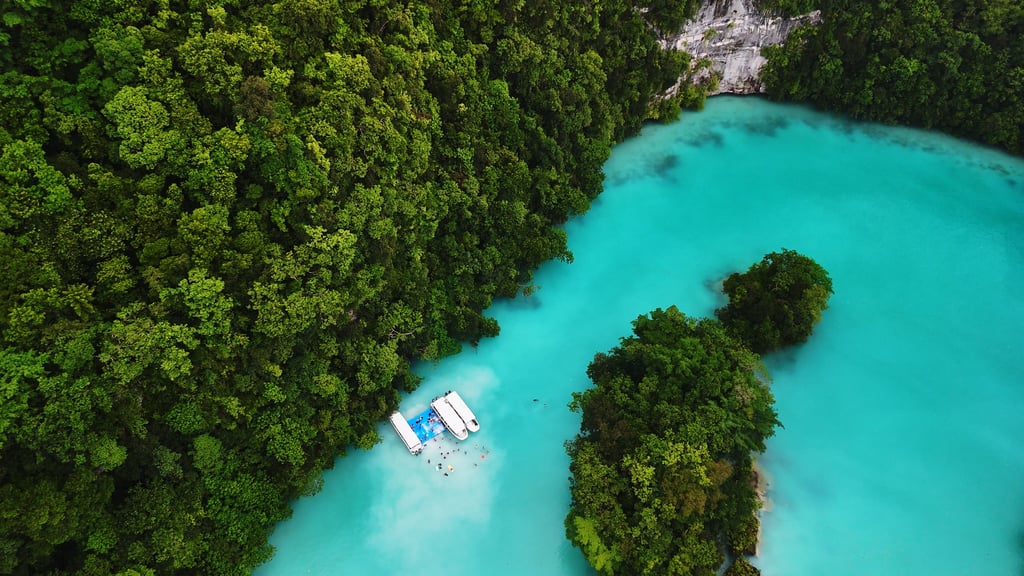
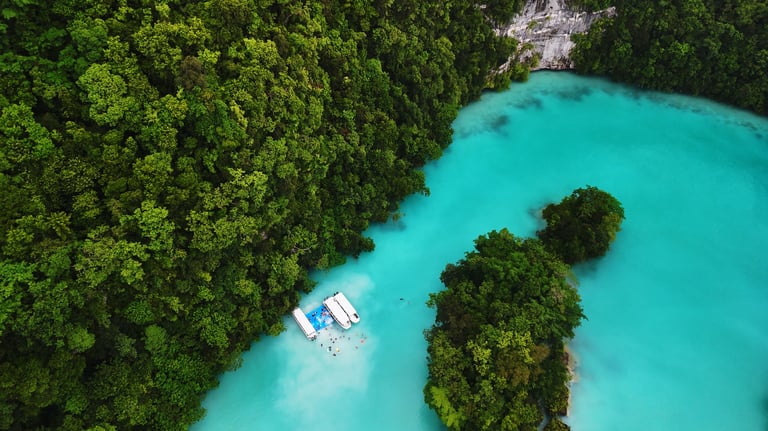
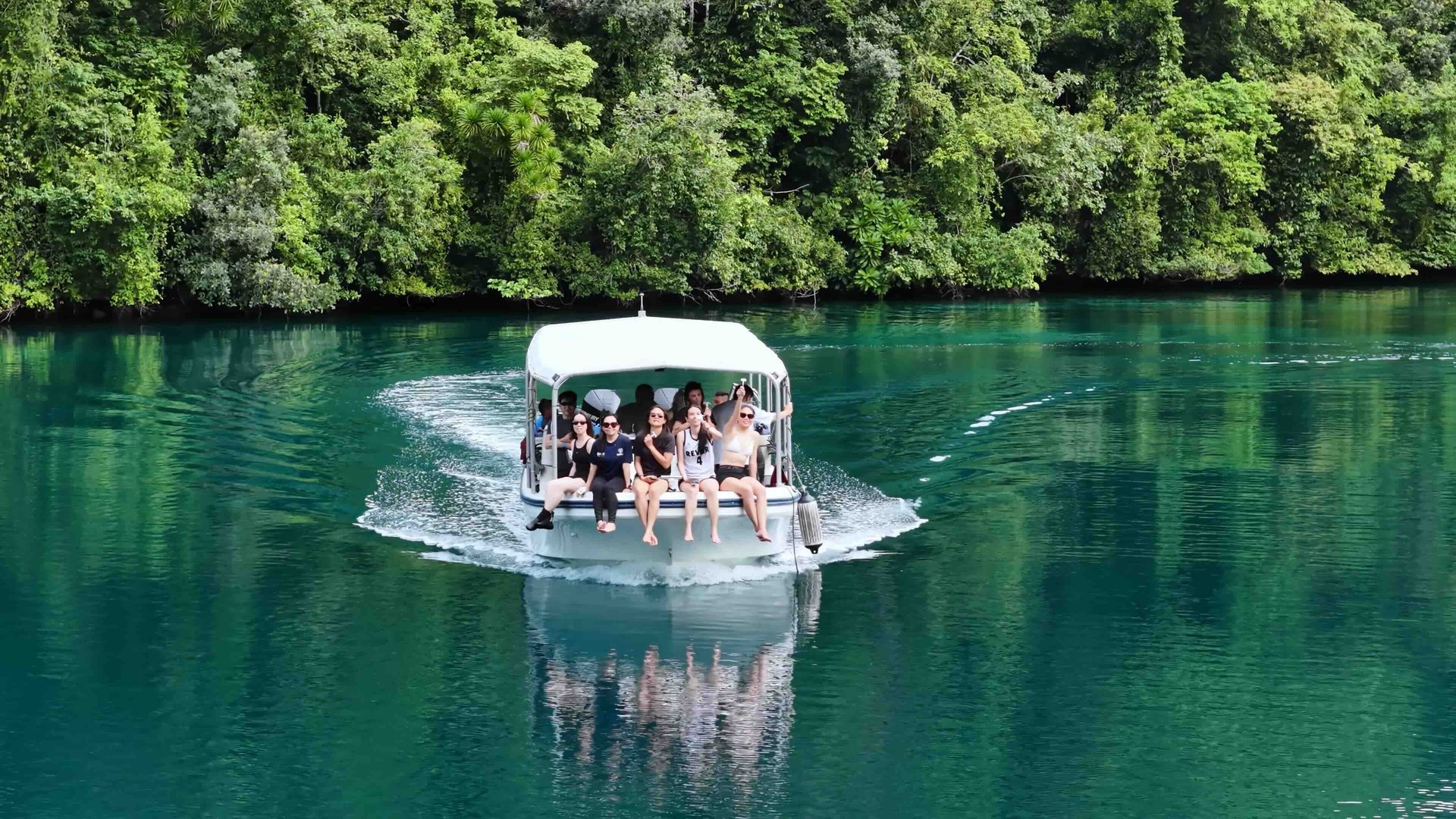
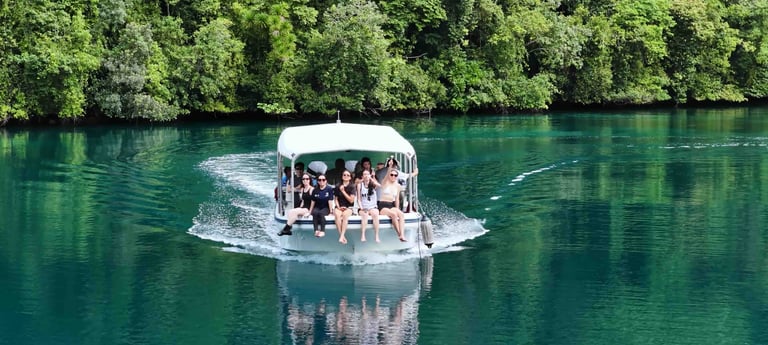
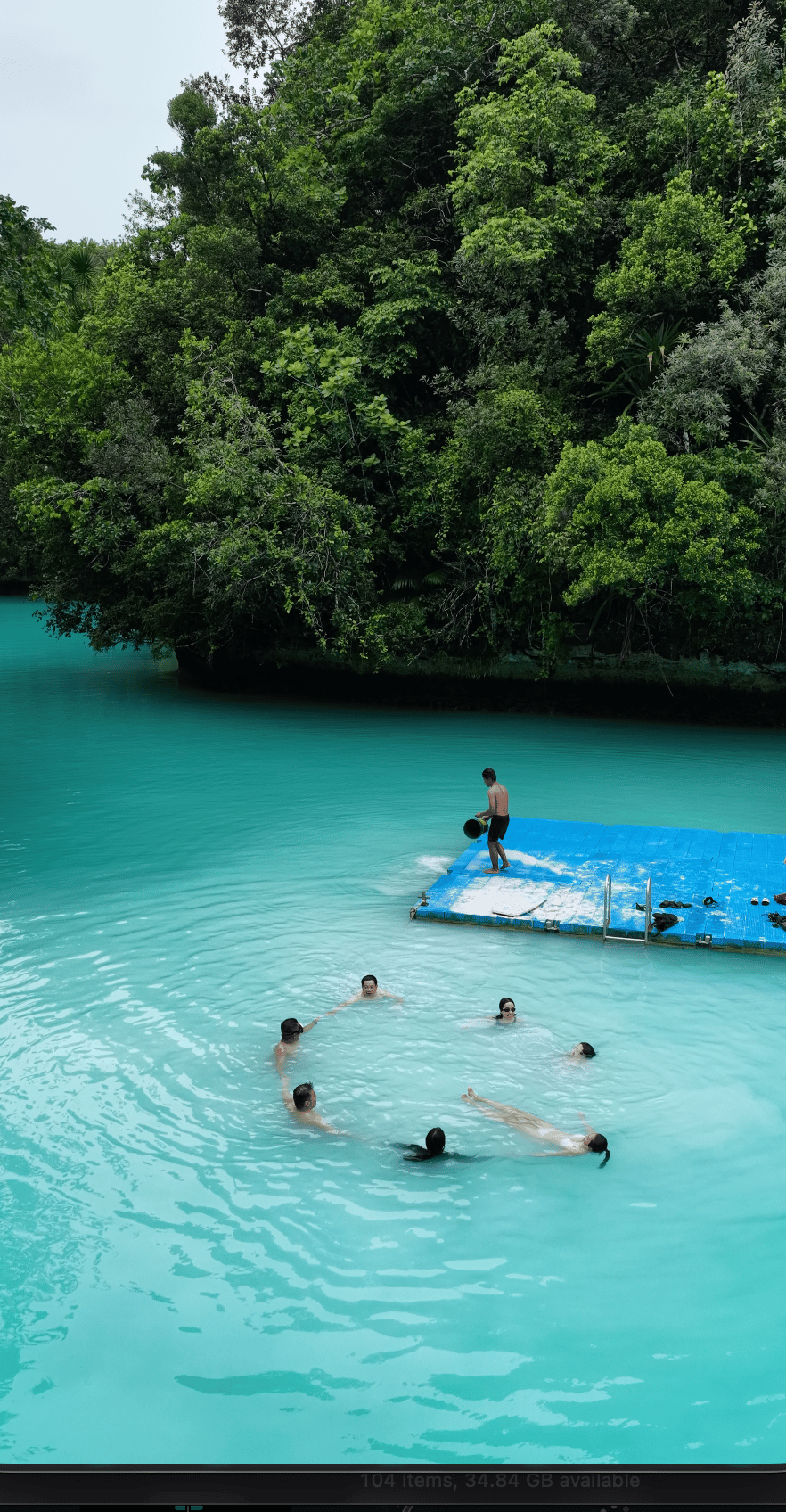
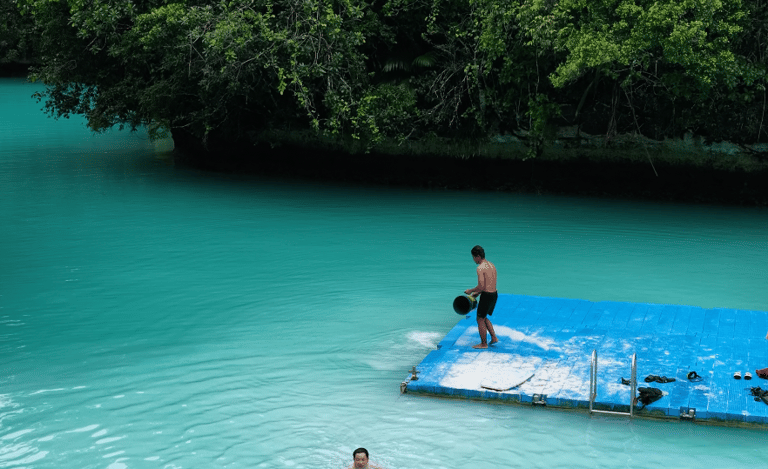
To break up the routine of diving every day, we went on a leisurely cruise among the jujube shaped Rock Islands, eventually arriving at the famed Milky Way Lagoon. The water here was calm and pale, almost opaque.
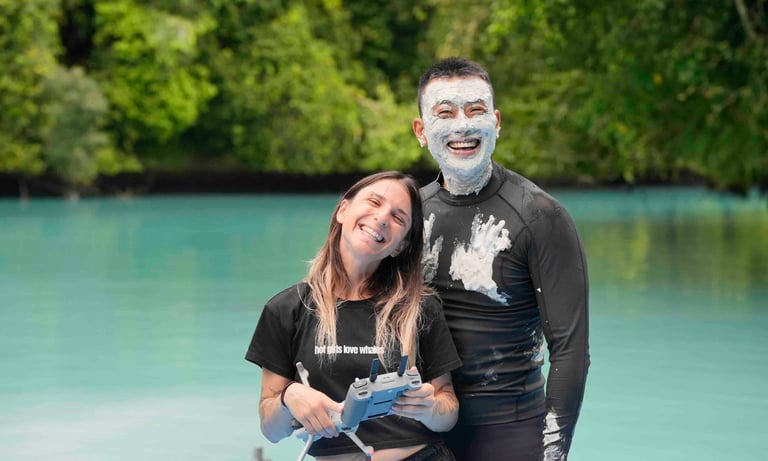
Our guide free dived to the bottom of the lagoon, about four metres down, and resurfaced with clumps of clay-like volcanic limestone mud. Supposedly good for the skin, it would have been a waste not to try. Before long, we were slathering ourselves head to toe, laughing at how ridiculous we looked and pausing for the obligatory photos. Once we had enjoyed our makeshift spa session, we slipped back into the lagoon to rinse off and continued our cruise.
Snorkelling at Clam City
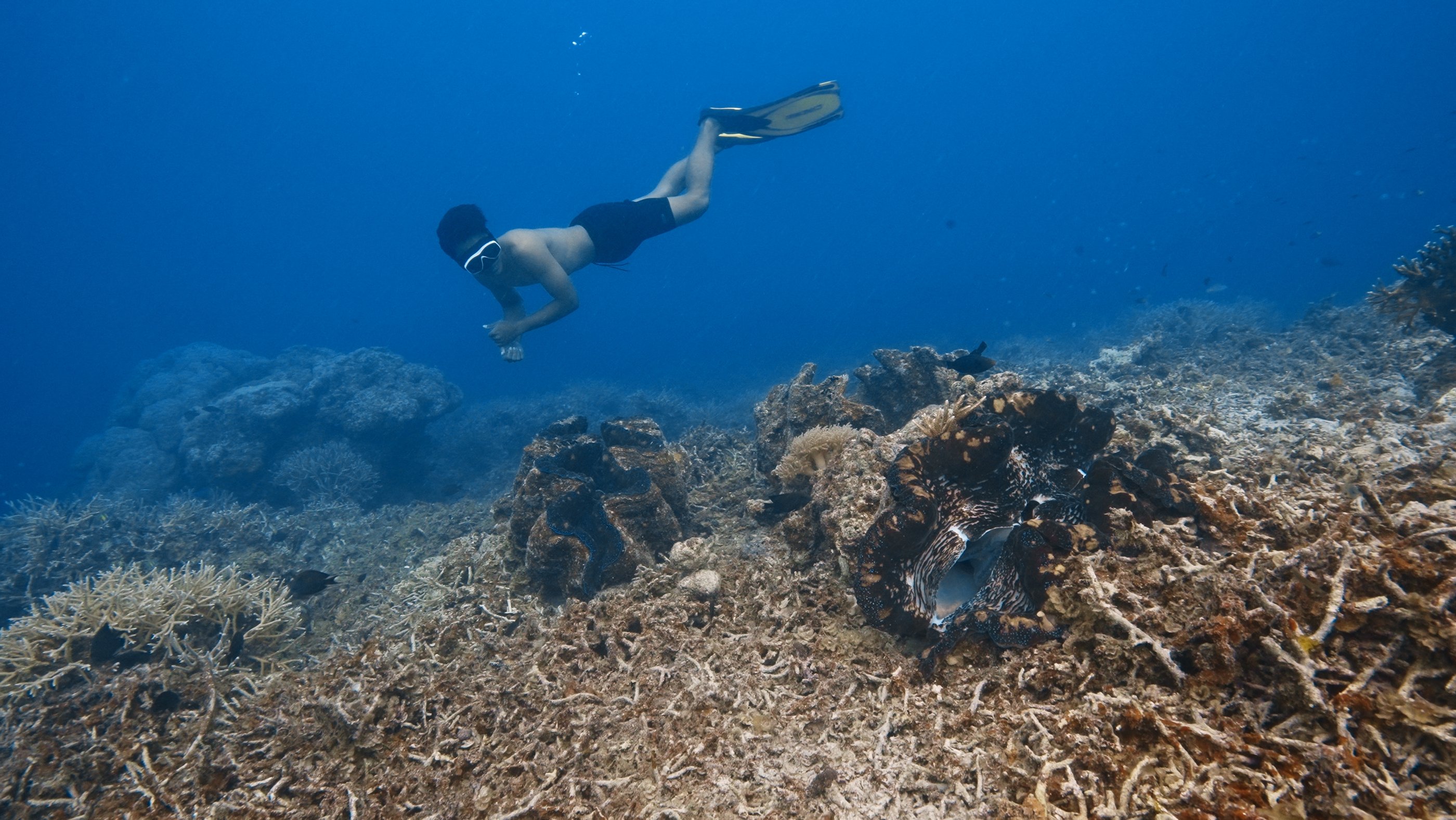
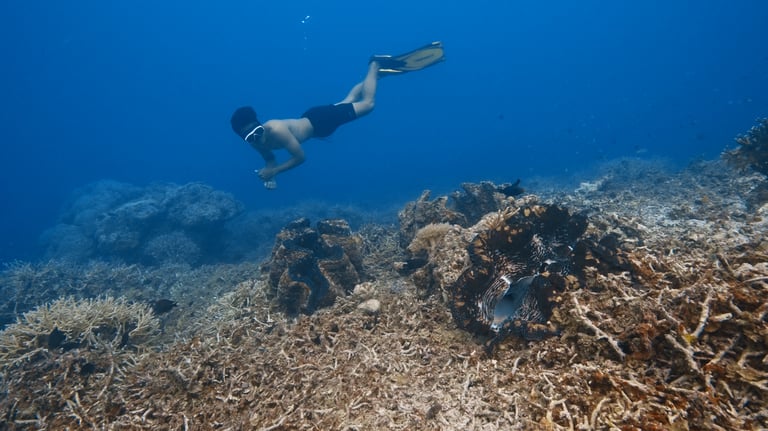
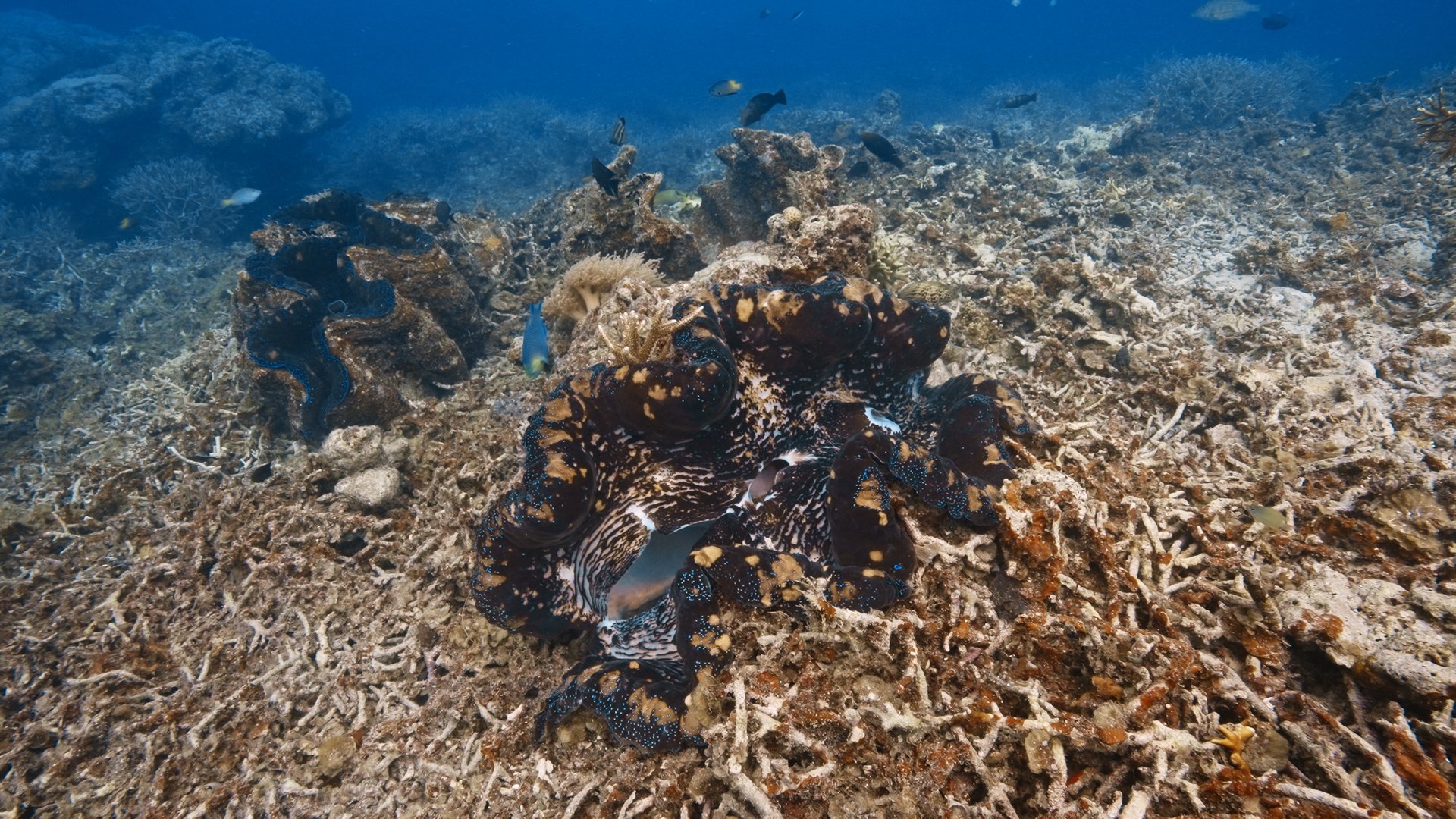
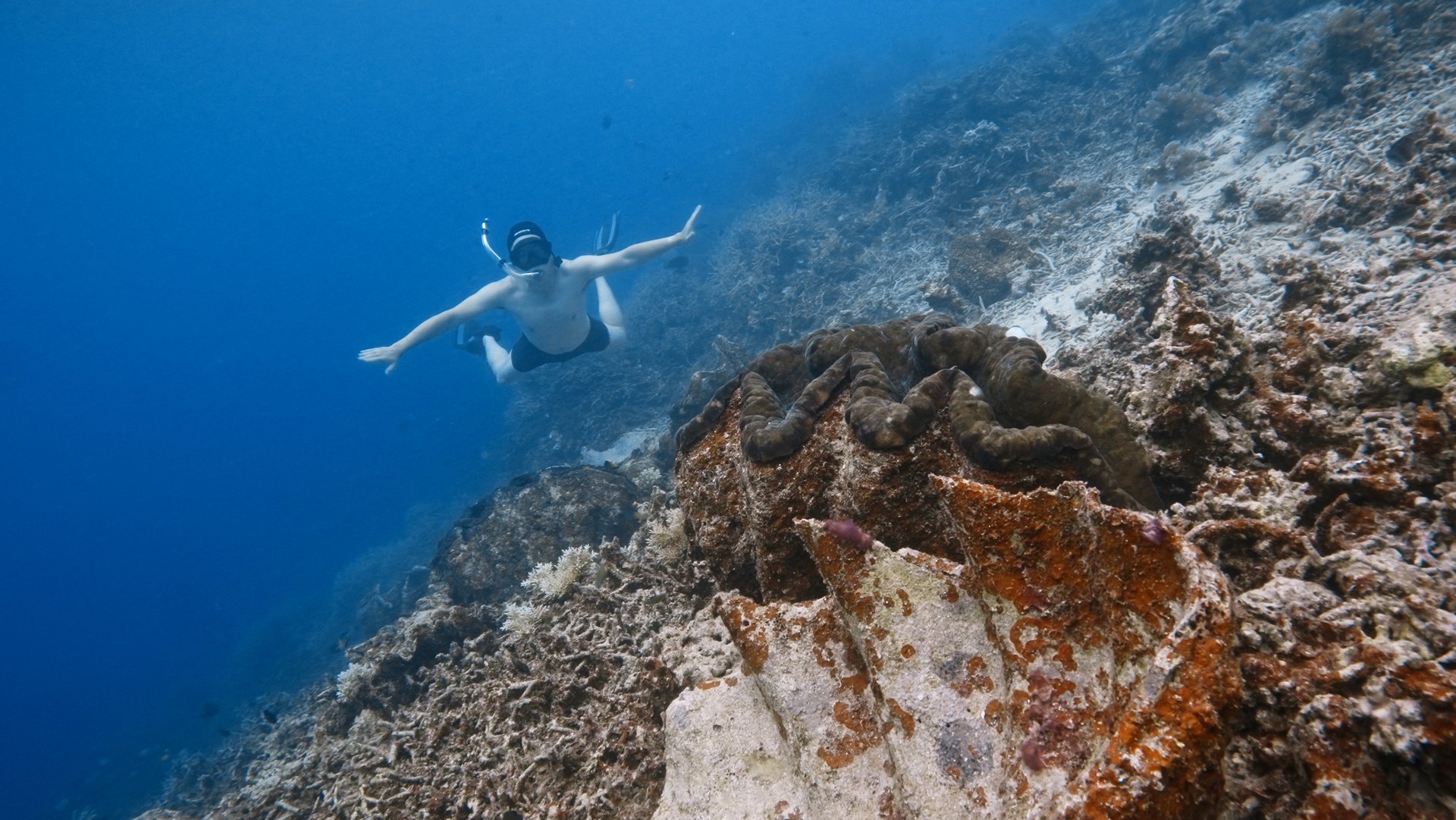
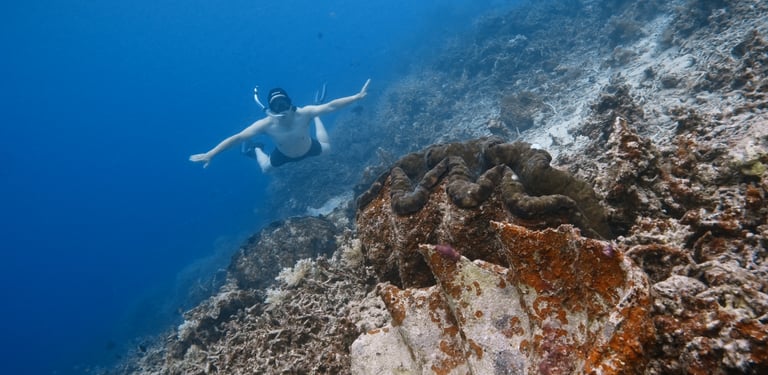
We made a brief stop at Clam City to see its famed giant clams. The giant clam, Tridacna gigas, known locally as kism, is the most iconic species here. These are the largest bivalves in the world, with some individuals at the site weighing up to 250 pounds and estimated to be over 100 years old. The reef itself was nothing particularly remarkable, so after marvelling at the numerous large clams, we moved on.
accommodation
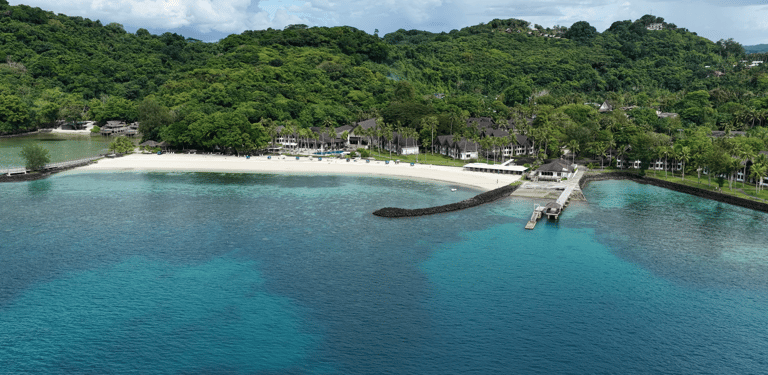
Palau Pacific Resort
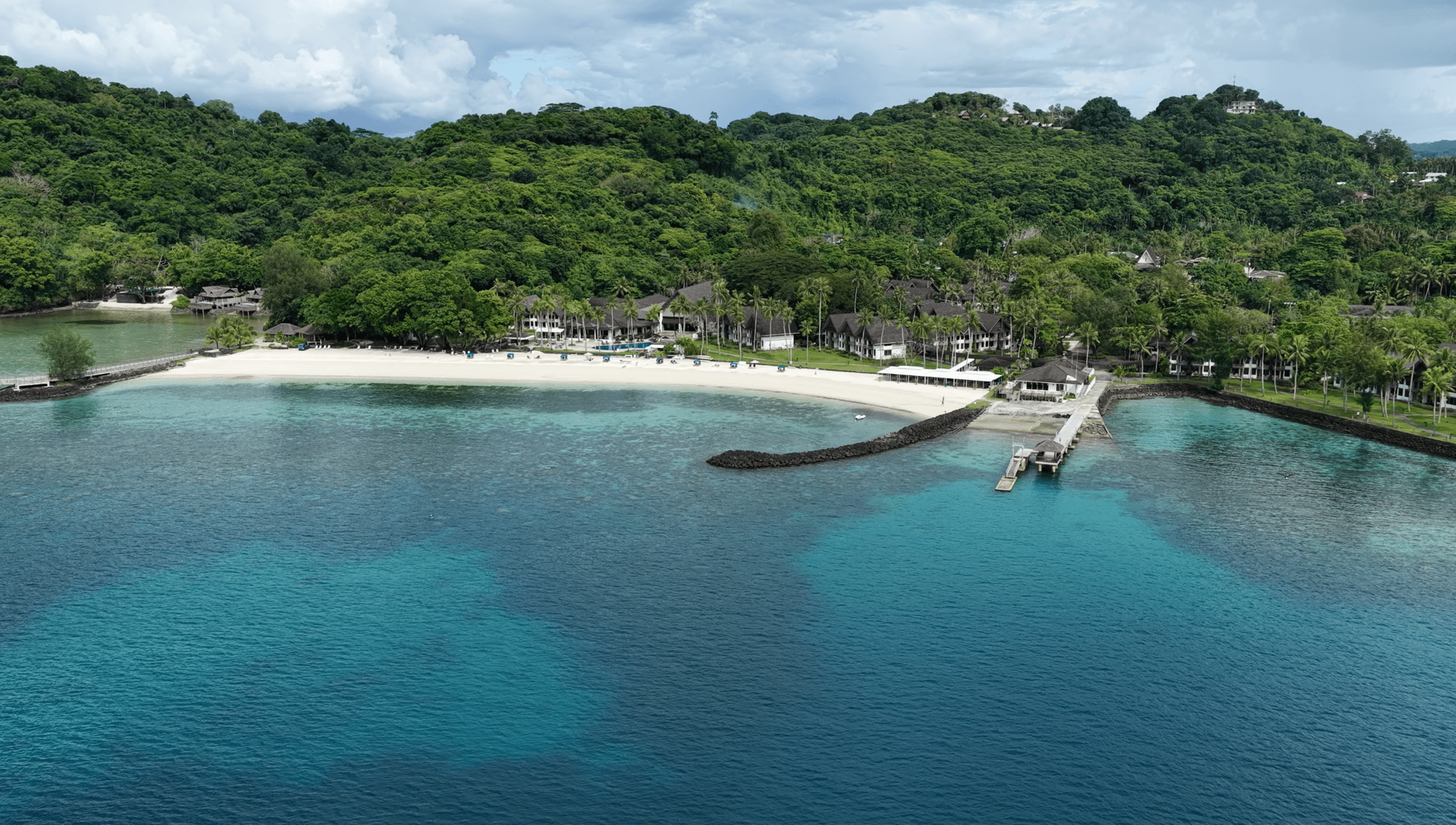
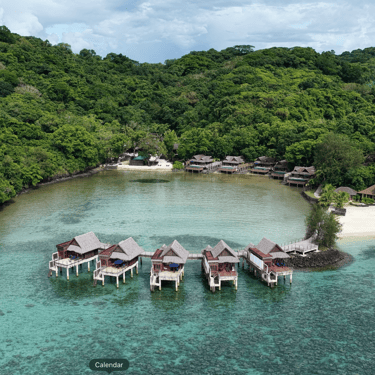
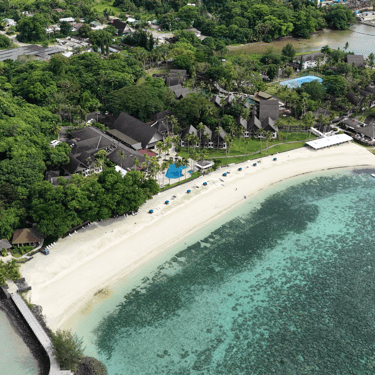
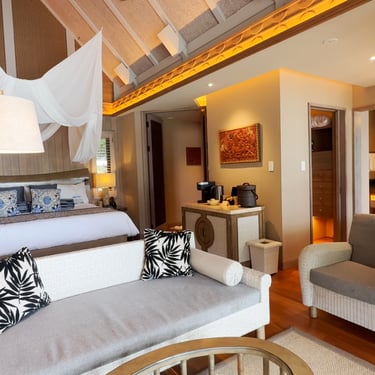
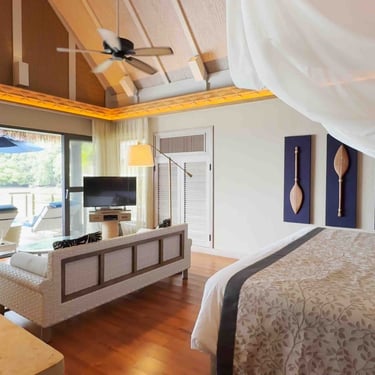
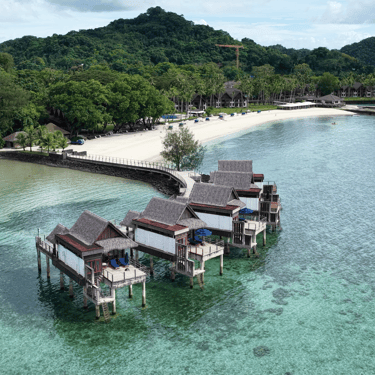
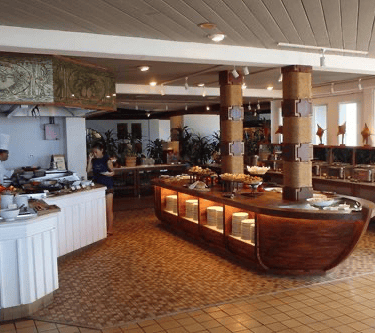
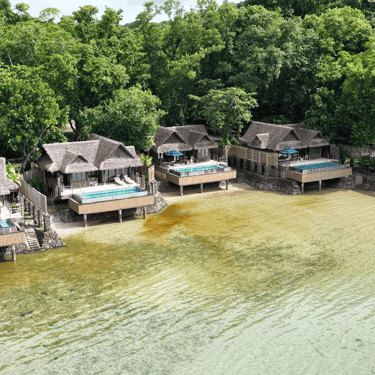
Having stayed here on our previous trip, we decided to make it our home base once again for the sake of comfort and convenience. Palau Pacific Resort sits on its own stretch of beach just outside Koror town. For divers, that balance matters. Early dive departures are easy to manage, and returning to a hot shower, spacious rooms, and proper air conditioning feels like a small luxury after multiple dives. We also enjoyed many afternoons unwinding in the serenity of the pool.
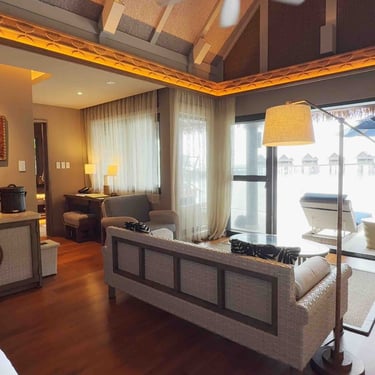
The rooms have ample space for rinsing and drying gear, with the bathtub and balcony coming in especially handy. The resort’s jetty makes boat transfers straightforward. At the same time, it is only a short drive from town, with numerous restaurants and cafes nearby, so dinner options never feel limited. For us, it struck the right balance between practicality for diving and a comfortable place to unwind.
verdict
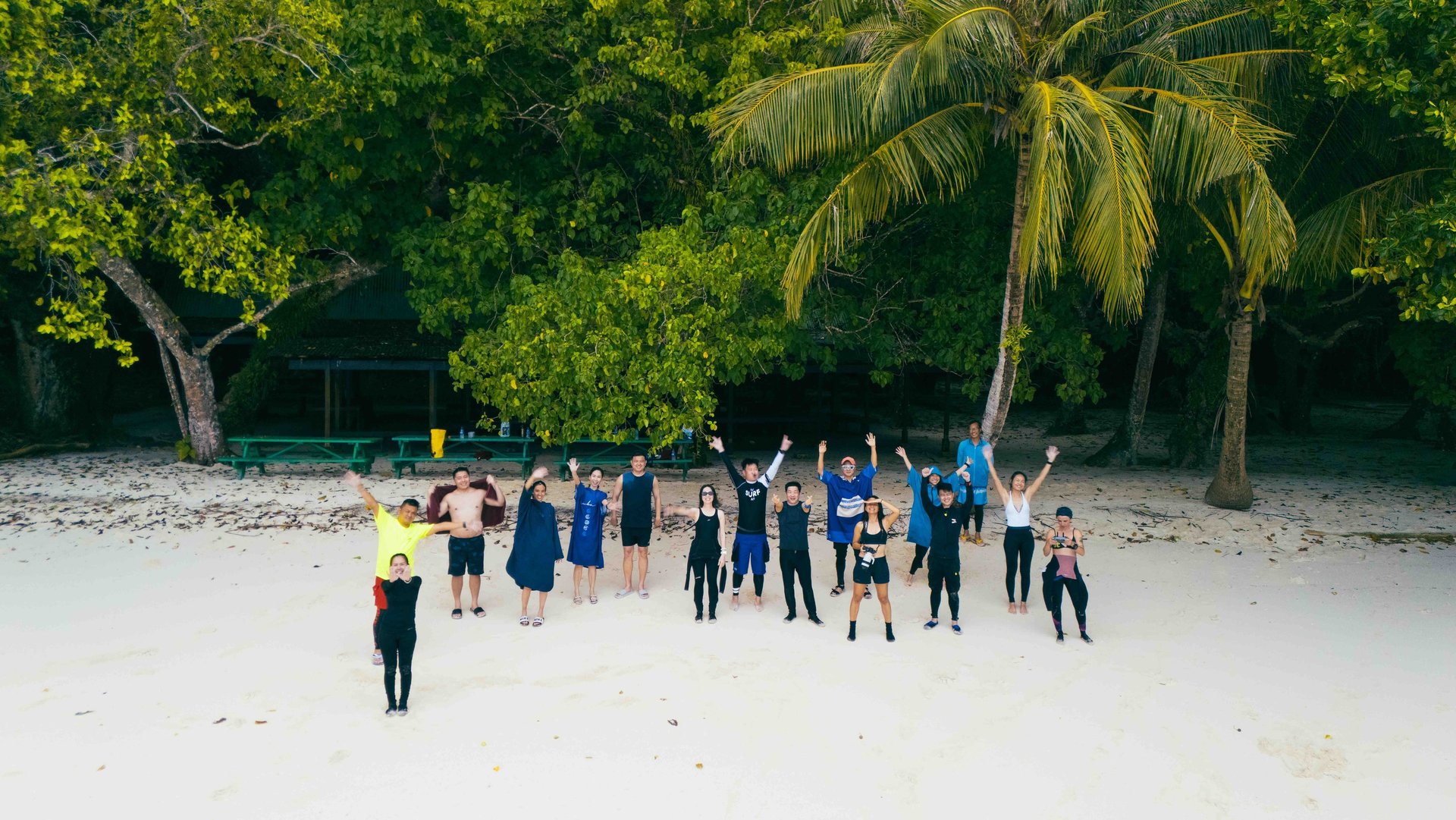
Would we visit again?
A resounding yes. For all the reasons mentioned above, it is hard to imagine not returning to this very special place. Straightforward transportation, smooth diving logistics, comfortable dive conditions, a pristine underwater ecosystem, and still unexplored sites make it an easy decision.
Our only hope is that better regulations and clearer arrangements will be put in place for dives during the mass spawning events, so we can be confident that our presence does not negatively impact the wildlife. Other than that, we already know it is only a matter of time before we are back.
Watch the cinematic trip summary video here:
